

Short Answer
China DTC gives European brands more control over brand, data and consumer learning, while local distributors can provide speed and local access. The best model often depends on category, control needs, budget and long-term China strategy.
What Is China DTC Commerce?
China DTC commerce means selling directly to Chinese consumers through brand-controlled or brand-managed digital channels. It can include Rednote, Douyin, WeChat Mini Program, Tmall, JD or other China-facing commerce workflows, depending on the brand's strategy. In Heyvva's model, China DTC is powered by Chinavator SaaS and supported by local China operations.
What Is a Local Distributor Model?
A local distributor model means a third-party partner buys, imports, distributes or sells your products in China. The distributor may manage retail relationships, wholesale channels, local sales, some marketing and sometimes platform operations. The brand usually gains local access but may give up some control over pricing, consumer data and channel strategy.
China DTC commerce
Local distributor
Brand control
Speed to market
Consumer data
Pricing control
Operational burden
Long-term asset building
Risk
Best for
Higher control over positioning, content, pricing and consumer experience
Can be fast with a focused pilot, but requires setup discipline
More direct access to data and feedback
Brand can manage pricing rules more directly
Requires platform operations, localization and workflow management
Builds brand-owned learning, content and consumer relationships
Requires execution capability and platform knowledge
Brands that want control, learning and scalable digital growth
Lower control if distributor owns local execution
Can be fast if distributor already has channels
Often limited or filtered through the distributor
Distributor margins and channel rules may affect pricing
Lower direct burden, but less visibility
Builds distributor channel value more than brand-owned assets
Risk of dependency, channel conflict and brand dilution
Brands that prioritize local access, wholesale speed or offline distribution
When China DTC Commerce Is the Better Path
China DTC is often the better path when the brand wants to learn directly from Chinese consumers, protect brand positioning, test product-market fit and build long-term digital assets. It is especially relevant for brands with strong visual identity, differentiated products, content potential and a desire to control customer experience.
Good fit:
-
You want direct consumer feedback
-
You want to protect brand positioning
-
You want better visibility into demand and conversion
-
You already have an ecommerce backend such as Shopify, Magento or Wshop
-
You want to test platforms before committing to a heavy marketplace model
-
You want to build long-term data and content assets
Watch-outs:
-
Requires platform strategy
-
Requires product localization
-
Requires operational discipline
-
Needs clear logistics and customer-service workflows
-
Benefits from a technology layer such as Chinavator

How to Choose
the Right
China Entry Model
Use these questions before choosing DTC, distributor or a hybrid approach.
-
Do you need speed, control or learning most urgently?
-
How important is direct access to consumer data?
-
Can your team support product localization and platform operations?
-
Do you already have an ecommerce backend that can support integration?
-
Is your category driven by content discovery, marketplace trust or offline retail?
-
How much channel conflict risk can you accept?
-
Do you want China to become a long-term digital growth market or a wholesale channel?
How Heyvva Helps

Define the role of Rednote, Douyin, WeChat, Tmall, Taobao or JD
Platform strategy
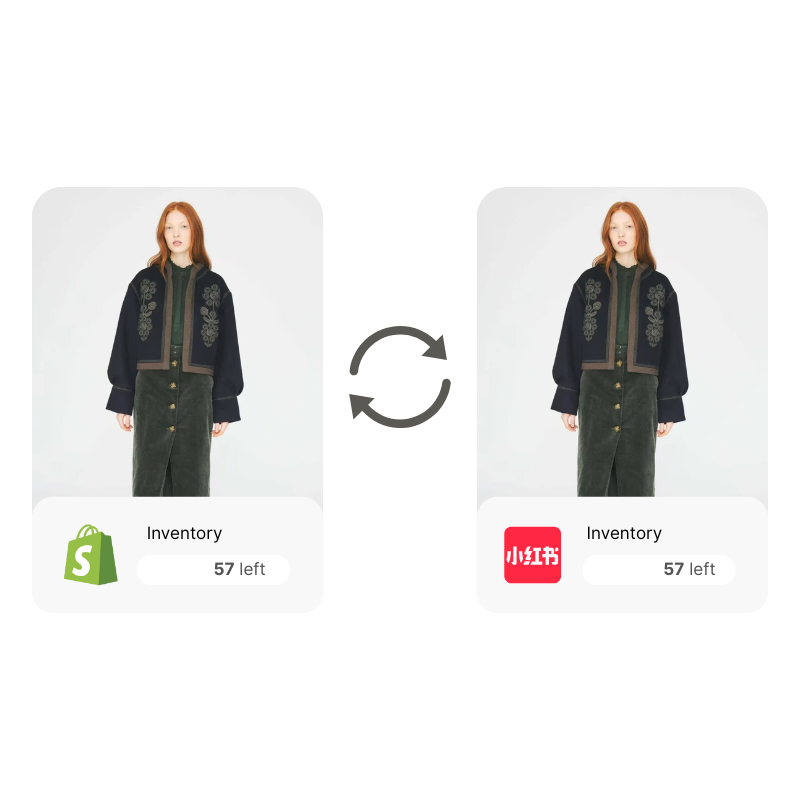
Use Chinavator to connect existing systems to China-facing workflows
Ecommerce infrastructure
Support store setup, campaigns, customer-service workflows and feedback loops
Local operations
Adapt product content, categories and platform-ready information
